Why Jai Bhim Is More Than Just a Courtroom Drama
- Nur Wajidah
- Jun 2
- 3 min read

In recent years, very few films have managed to leave a social and emotional impact as powerful as Jai Bhim. Directed by T. J. Gnanavel and starring Suriya, the film is not just a legal drama — it is a reflection of social injustice, human suffering, and the fight for equality.
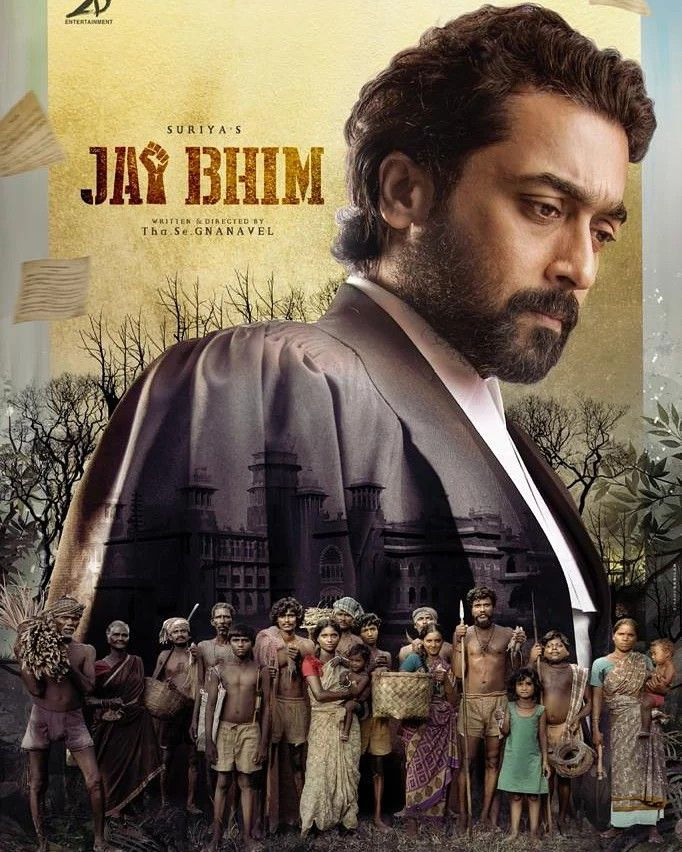
PHOTO by ROUTE2WATCH
Based on real events, Jai Bhim tells the story of a tribal couple whose lives are destroyed after the husband, Rajakannu, is falsely accused and taken into police custody. When he mysteriously disappears, his wife Sengeni seeks help from lawyer Chandru, who risks everything to uncover the truth and challenge a corrupt system.
What makes the film unforgettable is not only its storytelling but the way it forces viewers to confront uncomfortable realities about caste discrimination, abuse of power, and inequality in society.
A Film Rooted in Reality
One of the reasons Jai Bhim feels so powerful is that it is inspired by real incidents involving the Irular tribal community in India. Unlike fictional courtroom dramas that exaggerate heroism, this film feels painfully realistic.
The story shows how marginalized communities are often treated unfairly simply because of their social background. Rajakannu becomes an easy target for the police, not because there is evidence against him, but because society already assumes people like him are criminals.
This realism creates emotional weight throughout the film. Viewers are not watching fantasy — they are witnessing problems that still exist in many parts of the world today.
The Brutal Reality of Power and Corruption
One of the film’s strongest themes is the abuse of power. The police officers in the story misuse their authority through violence, torture, intimidation, and manipulation of evidence. These scenes are difficult to watch, but that discomfort is intentional.
The movie highlights how systems meant to protect people can sometimes become tools of oppression, especially against vulnerable communities. Instead of justice being equal for everyone, the film reveals how social status often determines who receives protection and who suffers silently.
This theme resonates globally because issues involving police brutality and institutional corruption are not limited to one country alone. That is why many audiences connected deeply with the film regardless of their cultural background.

PHOTO by POOJA
Sengeni: The Emotional Heart of the Film
Although lawyer Chandru plays an important role, the true emotional strength of the movie comes from Sengeni. Her journey represents the pain and resilience of countless marginalized women who struggle for justice without power, money, or influence.
Her character is not portrayed as weak despite her suffering. Instead, she becomes a symbol of courage and determination. Every moment of fear, grief, and hope feels genuine, making audiences emotionally invested in her fight.
The film succeeds because it humanizes injustice. Rather than showing statistics or political speeches, it tells the story through the eyes of ordinary people whose lives are shattered by systemic cruelty.
Jai Bhim is not simply a film about law or crime. It is a deeply emotional and political story about justice, equality, and human dignity. Through realistic storytelling and powerful performances, the movie exposes the harsh realities faced by oppressed communities while also showing the importance of courage and resistance.
What makes Jai Bhim truly unforgettable is its ability to make audiences feel anger, sadness, empathy, and hope all at once. It reminds viewers that cinema can do more than entertain — it can challenge society, amplify unheard voices, and inspire conversations about change.


Comments